Communication & Relationship Building
How Teachers Can Handle Difficult Parent Conversations: Effective Communication Strategies
AUTHOR: Bewise-Admin


Mastering the Art of Dialogue
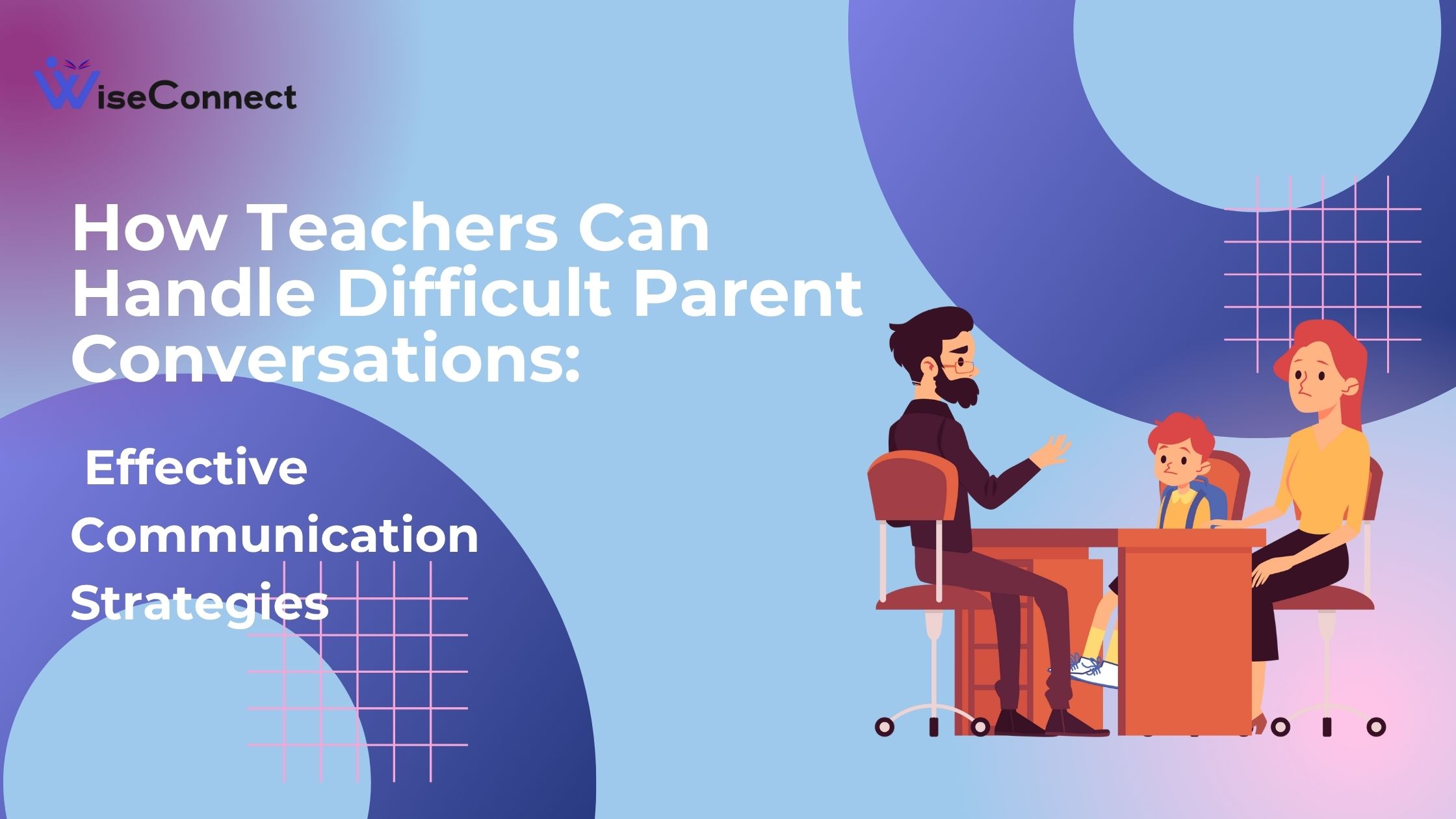
One of the most sensitive aspects of teaching isn’t what happens in the classroom — it’s navigating parent-teacher communication. Conversations about student performance or behavior can be awkward, emotional, and even confrontational. Yet, with the right strategies, these dialogues can turn into opportunities for positive parent-teacher collaboration.”
Open dialogue between teachers and parents is more crucial than ever in today's changing education environment. With greater academic pressures, emotional issues among students, and varying parenting styles, coping with conversations regarding performance, behaviour, or needs can be akin to a tightrope. However, it need not be.
This is how schools and teachers can create successful strategies for handling such situations with professionalism, compassion, and clarity.
1. Establishing Strong Parent-Teacher Relationships
One of the best things to do when faced with difficult conversations is to keep them from becoming confrontational in the first place. It starts with building trust from day one.

- Begin with routine, informal meetings with parents during the school year.
- Stay open and transparent even when everything is on track.
- Set up open channels- emails, phone calls, parent portals- that provide a means for dialogue, not just announcements.
Strong parent-teacher communication strategies, such as routine check-ins and transparent updates, create a foundation of trust that makes difficult conversations much easier to handle.
2. Plan Carefully Before Each Conversation
Entering a difficult conversation without planning can cause things to spin out of control rapidly. Teachers and school administrators need to plan their thoughts and fact-finding before sitting down with parents.
- Maintain detailed records of student behaviour, grades, or incidents to refer to.
- Avoid broad generalisations, stick to specific instances and facts that can be seen.
- Anticipate reactions and plan your tone in advance.
Effective teacher communication skills include entering conversations prepared with facts, examples, and possible solutions — a core part of conflict resolution in schools.
3. Start with Empathy, Not Accusation
No one likes to hear that their child is in trouble. Such conversations need to be dealt with caution. Make sure to steer clear of language that sounds judgy or accusatory tones. Instead, proceed from a helping place.

Reword the concern in terms of the child's development and future success. Phrases like, "I've noticed that…" or "We're seeing a pattern that's affecting learning…" invite collaboration, not conflict.
When educators frame concerns around student growth, it leads to positive parent-teacher collaboration rather than conflict.
4. Listen before you Speak
Parents usually arrive carrying their own concerns, assumptions, or anger. The response should be to stop and listen. Allow them to say their piece without interruption. Active listening can diffuse tension and give teachers an insider perspective into what's going on at home. When parents feel heard, they're more likely to be open to your suggestions.

Active listening is one of the most powerful teacher communication strategies, helping diffuse tension and making parents feel respected.
5. Offer Solutions, Not Grievances
If a conversation is only about what's not going well, it can feel like criticism. Switch it to what can be done next.

- Collaborate on plans that involve both home and school. Suggest resources like tutoring, counselling, or check-ins on a regular basis.
- Frame it as a collaborative effort in which both parties are working together.
One of the best practices for parent-teacher meetings is shifting from pointing out problems to co-creating action plans with parents.
6. Follow Up and Follow Through
One conversation is rarely enough. Real development takes place based on what happens next. Following up shows' dedication and professionalism.

- Email the discussion outline and action plan.
- Check-in occasionally to track progress.
- Mark improvements, no matter how small.
Consistent follow-up reinforces trust and shows parents that teachers are invested in effective parent-teacher communication and long-term student success.
Real-Life Challenges That Will Inevitably Appear
Even with the best of intentions, difficult conversations can go haywire. Maybe a parent won't respond, or there's a high emotional risk involved. In these situations, it's useful for schools to:
- Provide training in conflict resolution and communication for teachers.
- Assign counsellors or coordinators to serve as mediators when necessary.
- Establish structures in which feedback is able to be captured and reflected upon.
These actions establish a supportive environment in which challenging discussions are not dreaded but anticipated as chances for growth. For instance, if a parent reacts defensively to feedback, a teacher trained in conflict resolution in schools can redirect the conversation toward shared goals.
Communication creates a sense of Community
Challenging conversations with parents don't have to be combative. With empathy and the appropriate communication methods, educators can make even the most challenging conversations be bridges rather than walls.
When schools emphasise parent-teacher communication best practices, they set the stage for a culture of trust, support, and shared purpose. And in the end, that's what education is all about- coming together as a team to make sure students succeed.
WiseConnect platform by BeWise offers resources on teacher communication skills and parent-teacher collaboration strategies to help schools strengthen their engagement with families.
Let's begin to transform conversations into connections.